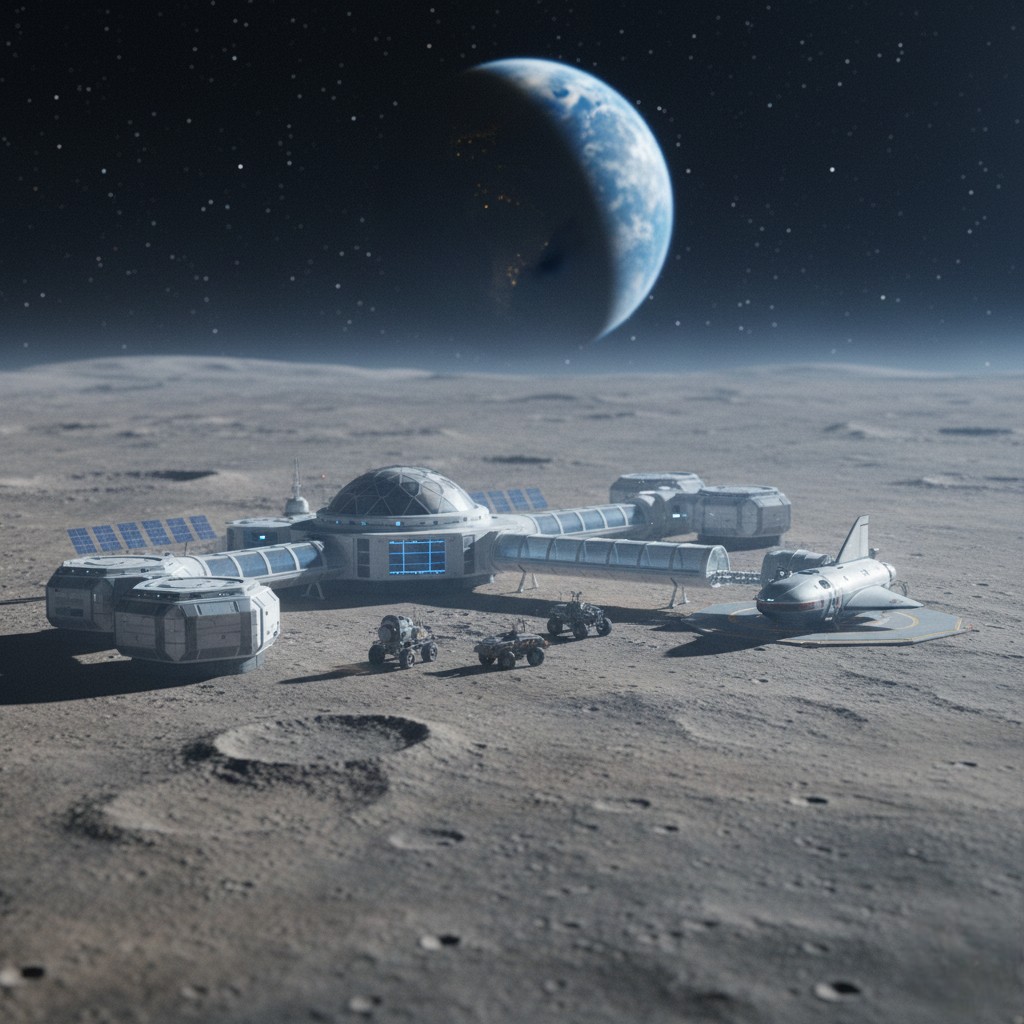
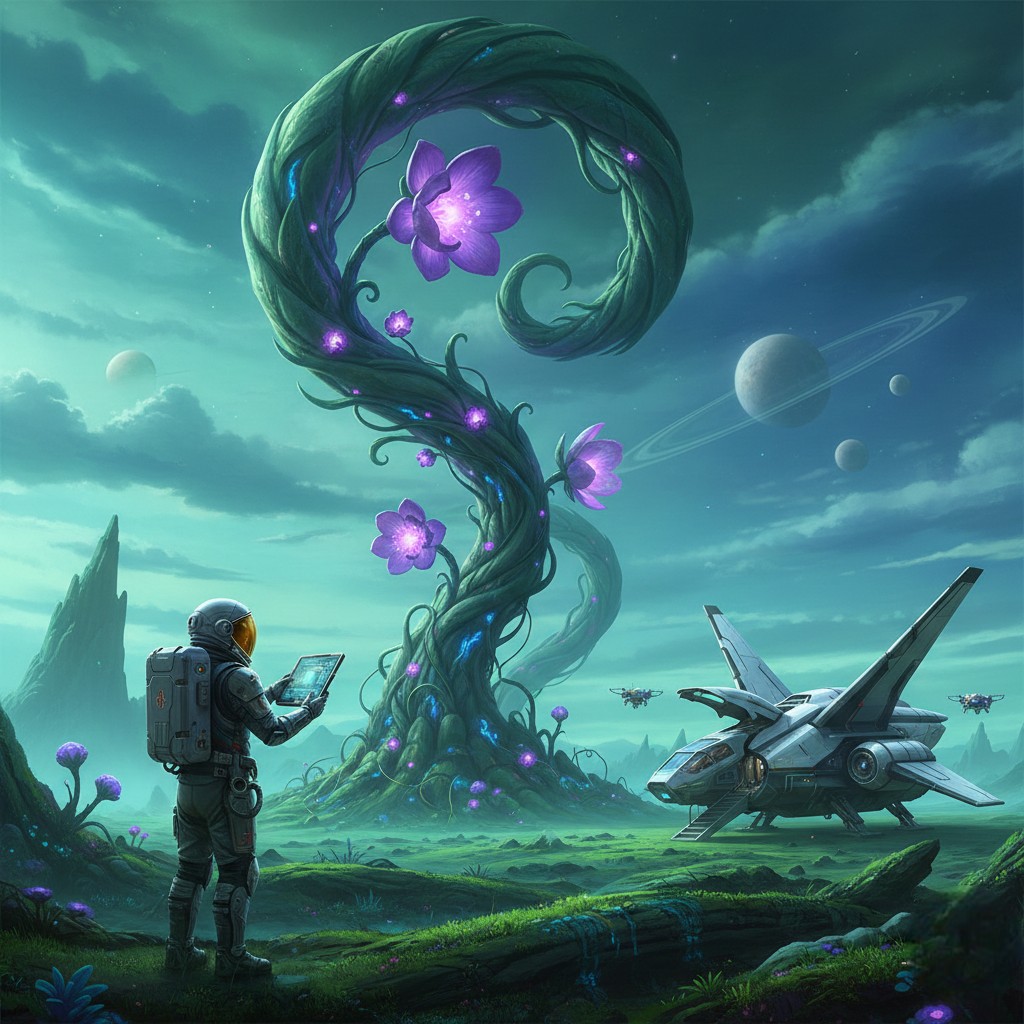
In Christopher Nolan’s Interstellar (2014), former NASA pilot Cooper (Matthew McConaughey) embarks on a desperate interstellar mission through a wormhole near Saturn. Earth is ravaged by dust storms and crop blights, threatening human extinction. Accompanied by scientists like Dr. Brand (Anne Hathaway), Cooper faces black holes, time dilation, and planetary horrors to find a new home for humanity. Back on Earth, his daughter Murph (Jessica Chastain) unravels quantum mysteries to save billions. Blending heart-wrenching family drama with cosmic peril, it’s a 2-hour-49-minute odyssey of hope amid despair.
The Rigorous Scientific Foundation
What elevates Interstellar above typical sci-fi is its unyielding commitment to real science. Nolan collaborated with physicist Kip Thorne, ensuring depictions of wormholes, black holes (like Gargantua), and relativity were grounded in theoretical physics. Thorne’s equations even influenced the film’s visuals, rendered with unprecedented accuracy using custom software. No hand-wavy aliens or faster-than-light shortcuts—time dilation on Miller’s planet, where one hour equals seven Earth years, is brutally precise. This scientific rigor makes Interstellar a bridge between Hollywood spectacle and academia, inspiring viewers to ponder actual cosmic frontiers.
The Palpable Tension of Humanity’s Survival
The film’s pulse-pounding suspense stems from humanity’s existential brink. As oxygen depletes and famines ravage Earth, every decision weighs the fate of billions. Cooper’s separation from his children, amplified by relativity’s cruel math, delivers raw emotional agony. Tense sequences—like the tidal wave catastrophe on Miller’s planet or the docking amid Gargantua’s pull—mirror our collective dread of collapse. Nolan masterfully conveys the razor-edge gamble: one failed wormhole jump, and extinction is sealed. This urgency transcends entertainment, urging audiences to confront our species’ fragility.
Humanity’s Innate Drive to Explore
Interstellar passionately champions exploration as humanity’s salvation. “We stopped looking up,” laments Cooper, critiquing inward stagnation. The mission embodies our evolutionary imperative: from oceans to skies, space is next. Pioneers like Romilly and Doyle risk oblivion for discovery, echoing real explorers like Voyager probes. Nolan posits that curiosity isn’t luxury—it’s survival. In a universe of 2 trillion galaxies, staying Earthbound is surrender. The film reignites that primal spark, making sci-fi not escapism, but a manifesto for bold venturing.
Earth’s Fragility: A Wake-Up Call
At its core, Interstellar shatters our complacency toward Earth. Portrayed as a choking dust bowl, our “blue marble” is heartbreakingly vulnerable—blights wipe out food, sand erodes civilizations. Yet humanity treats it as infinite, squandering its uniqueness. In the known universe, with billions of exoplanets, no world rivals Earth’s perfect alchemy of water, atmosphere, and life. The film warns: paradise is rare, extinction swift. By forcing us to imagine fleeing our cradle, it underscores stewardship—before it’s too late.
A Timeless Sci-Fi Milestone
Interstellar isn’t just a film; it’s a cultural touchstone redefining sci-fi. Blending Nolan’s narrative genius with Thorne’s intellect, it marries spectacle, emotion, and truth, influencing everything from Dune to space policy debates. In an era of climate peril and Mars ambitions, its message endures: explore, adapt, survive.